
How to Budget Your College Allowance in the Philippines (And Actually Make It Last)
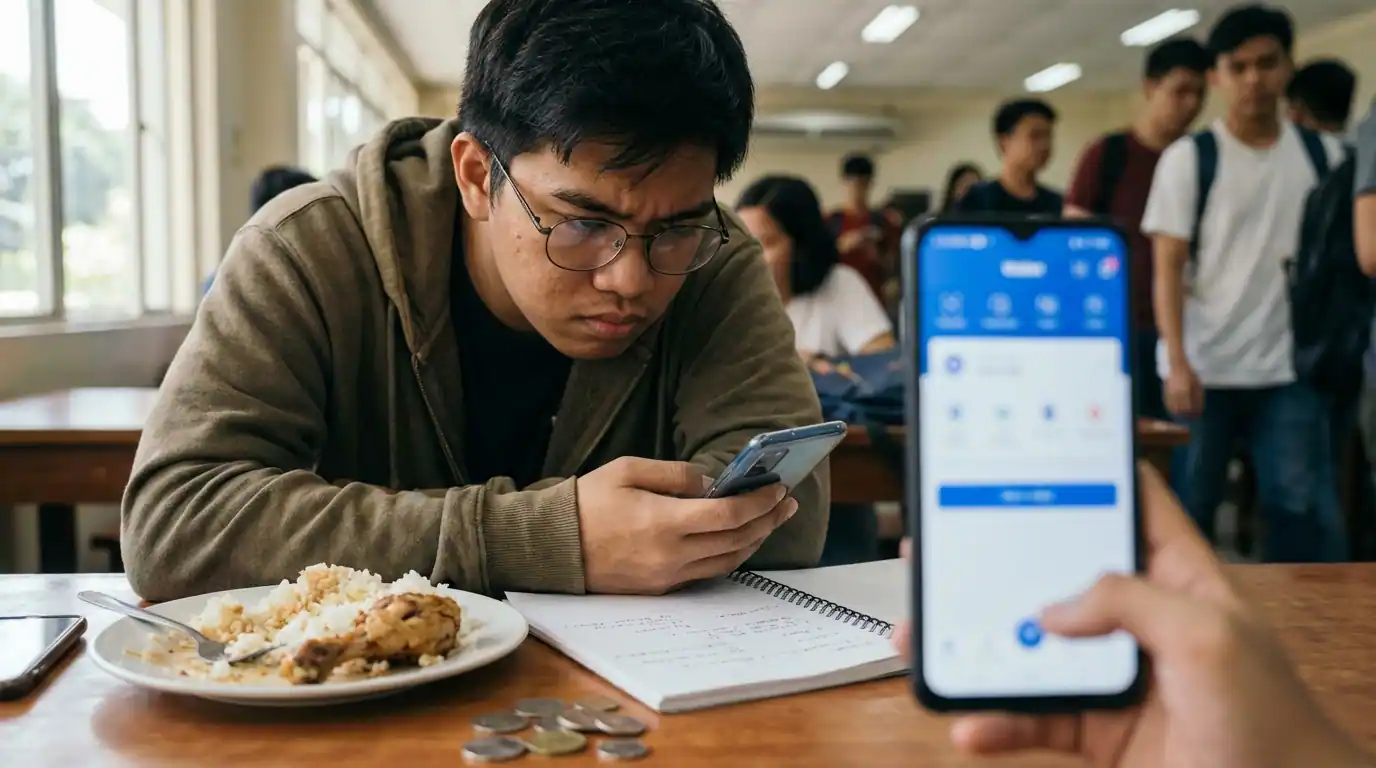
It’s Wednesday. You open GCash to pay for lunch. The balance says ₱63.00. Your allowance arrived on Monday. You have not done anything wild. You just… lived. And somehow the money is almost gone.
If that scene felt too familiar, this article is for you. We’re going to fix the way you handle your allowance, one practical step at a time.
The Real Reason Your Allowance Disappears So Fast
It’s not because you’re bad with money. It’s because college has expenses nobody warns you about.
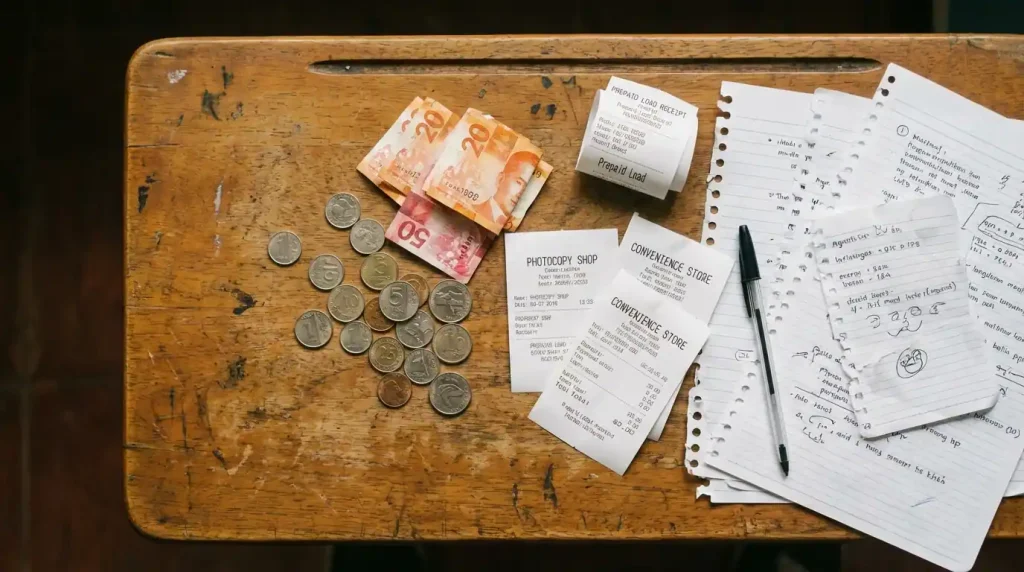
You budget for food and fare. You forget about the ₱15 photocopy, the ₱50 group project contribution, the ₱30 load, and the ₱25 plastic cover for your report. Those four things alone cost ₱120. That’s a full meal gone before you even sat down to eat.
These invisible expenses hit you every week. They’re small individually. Together, they quietly drain your allowance before Friday.
Know Your Real Spendable Amount First
Your allowance is not what you think it is. There’s a difference between what arrives and what you can actually spend freely.
Take a student with ₱1,500 per week. Before buying a single snack, the math already looks like this:
| Expense | Amount |
|---|---|
| Daily fare (₱70 x 5 days) | ₱350 |
| Printing and photocopying | ₱80 |
| Load (calls, data) | ₱50 |
| Class or org contributions | ₱50 |
| Total fixed costs | ₱530 |
| Real spendable amount | ₱970 |
That ₱1,500 is now ₱970. Budget from that number, not the original. Every student who skips this step runs out of money and has no idea why.
The Four Buckets That Will Save Your Week
Stop thinking about your allowance as one big pile of money. Split it into four buckets the moment it arrives.
Bucket 1: Food and Transport. This is your biggest bucket. It covers all meals and all fares for the week.
Bucket 2: School Expenses. This covers printing, supplies, project materials, and anything academic. Set it aside early or it vanishes into other things.
Bucket 3: Personal and Social. Load, self-care, one planned treat. This bucket keeps you sane without wrecking your budget.
Bucket 4: Savings. Even ₱50 a day counts. More on this later.
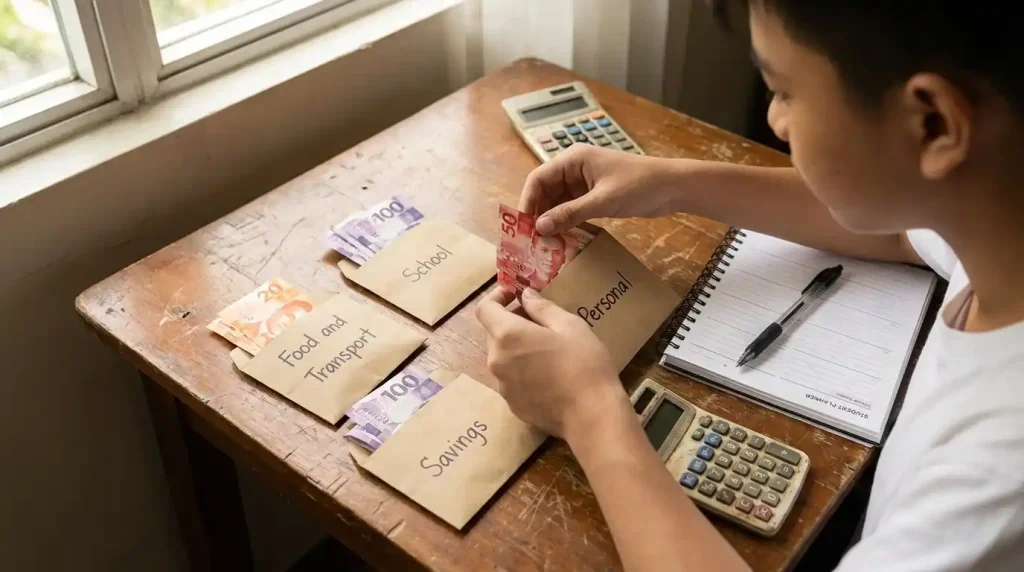
Here’s how that looks on a ₱970 net weekly allowance:
| Bucket | Category | Weekly Amount | Percentage |
|---|---|---|---|
| 1 | Food and Transport | ₱485 | 50% |
| 2 | School Expenses | ₱145 | 15% |
| 3 | Personal and Social | ₱145 | 15% |
| 4 | Savings | ₱195 | 20% |
Adjust the amounts to your real life. But keep the four buckets. The structure is what makes it work.
Food Is Where Most Students Lose the Budget War
Here’s the honest comparison nobody puts in a table:
| Meal Option | Average Cost |
|---|---|
| Carinderia meal (rice + ulam + soup) | ₱60 to ₱85 |
| Fast food combo | ₱130 to ₱175 |
| Convenience store ready meal | ₱75 to ₱120 |
| Baon from home | ₱0 to ₱20 |
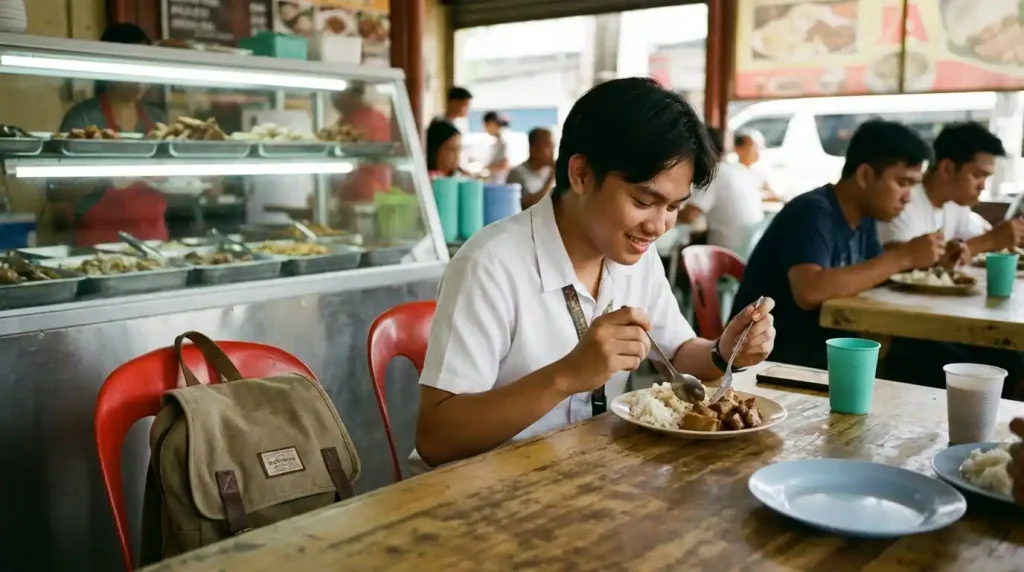
The carinderia wins almost every time. Not just on price. On volume, on warmth, and on that intangible feeling of eating a real meal.
Find your suki. A carinderia tita who knows your face will give you a slightly bigger serving, slip in extra sauce, or hold a meal for you when you’re running late. That relationship has real financial value.
And yes, baon. More students should bring packed food and stop treating it like something embarrassing. A packed lunch from home can save you ₱60 to ₱100 per day. Over five school days, that’s ₱300 to ₱500 back in your pocket every week.
The Milk Tea Problem (And What It Actually Costs You)
Nobody is going to tell you to stop drinking milk tea. That’s not realistic, and it’s not the point.

The point is knowing what it actually costs. One milk tea every two days at ₱85 each adds up like this:
| Time Period | Cost |
|---|---|
| Per week (3–4 cups) | ₱255 to ₱340 |
| Per month | ₱1,020 to ₱1,360 |
| Per semester (16 weeks) | ₱4,080 to ₱5,440 |
That’s tuition-level money over one semester. Not because milk tea is evil. Because it was never planned for.
Put milk tea inside Bucket 3. Give it a specific weekly slot. When the Bucket 3 money is gone, it’s gone. You’re not depriving yourself. You’re deciding on your own terms instead of just reacting to the shop by the gate every afternoon.
GCash Is a Tool, Not a Safety Net
GCash makes spending feel almost weightless. You tap, the number changes, and your brain barely registers it as real money leaving.
Studies consistently show people spend more with digital payments than with cash. GCash is not immune to this. Use it deliberately or it will quietly work against you.
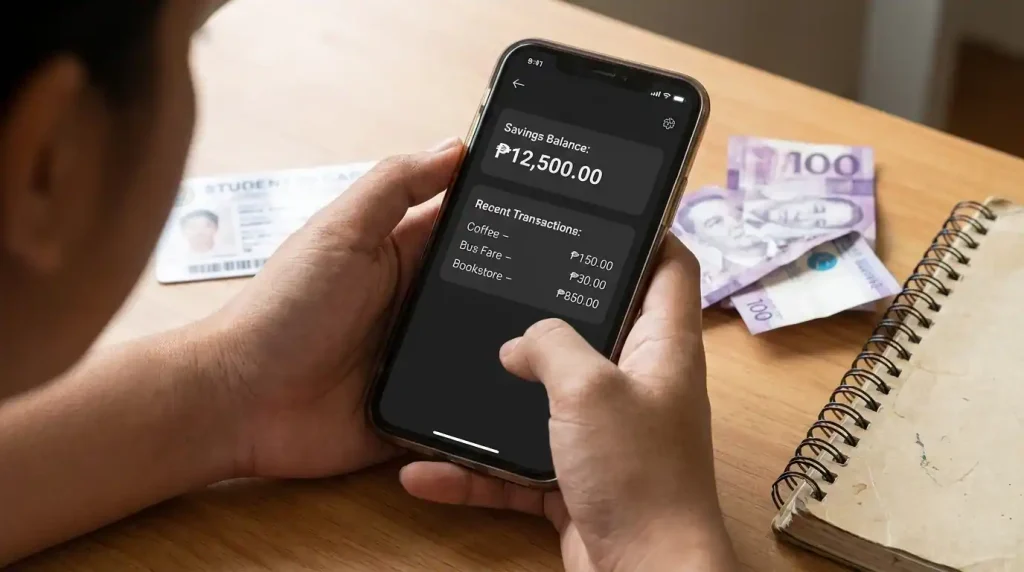
Three practical habits:
- Check your GCash spend summary every Sunday. Five minutes. No judgment. Just data.
- Create a separate GCash wallet for your savings bucket. Name it something that makes you think twice before touching it.
- Move savings to Maya or Seabank immediately when your allowance arrives. Both have zero maintaining balance and interest rates that beat traditional banks. Money sitting in a separate app with a small return is harder to impulse-spend.
GCash is great for receiving money and paying bills. It is a terrible place to keep savings you actually want to keep.
How to Save When Your Allowance Is Already Small
Saving feels pointless when you’re already stretched thin. Here’s the mindset shift: saving is not about the amount. It’s about the habit.
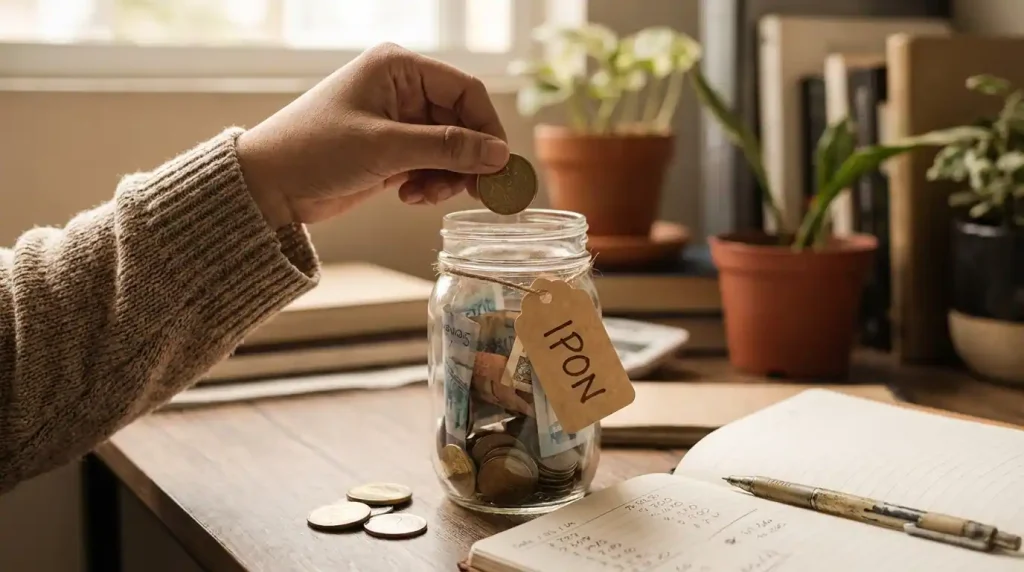
Save a fixed amount every single day before spending on anything else. Even ₱30 a day changes the picture fast.
| Time Period | Total Saved (₱30/day) |
|---|---|
| 1 week | ₱210 |
| 1 month | ₱840 |
| 1 semester (100 school days) | ₱3,000 |
₱3,000 by the end of the semester. From thirty pesos a day. That’s an emergency fund. That’s a semester’s worth of buffer.
Tracking small savings daily changes how you see money over time. The same habit applies to your grades. Check your GWA every semester using this free GWA calculator so you always know exactly where you stand academically.
Small consistent tracking, whether money or grades, keeps you in control before problems get big.
When Your Allowance Gets Cut or Comes Late
It will happen at least once. An allowance that doesn’t arrive when it should. Here’s how to handle it without losing your mind.
First, check your buffer fund. This is why you saved. Even ₱500 to ₱1,000 set aside gives you real breathing room while you wait.
Second, cut to essentials only. Bucket 3 goes to zero. Food and fare only until the money arrives. It’s temporary and it’s survivable.
Third, talk to your parents directly. Not with drama. With numbers. A calm message that says “my balance is at ₱80, I need ₱300 to cover fare and food for two days” gets a faster response than a vague “wala na ko pera.” Specific requests work better than general panic.
Avoid borrowing from friends as a first option. It adds social pressure to a financial problem. Exhaust your own options first.
Side Hustles That Actually Work Between Classes
The best student side hustles fit around your schedule and start with almost no money. Here are five that actually work:
- Writing product descriptions for small businesses on Facebook Marketplace. Many small sellers need help with captions and listings. Charge ₱150 to ₱300 per product set. Realistic monthly income: ₱1,500 to ₱4,000.
- Selling baon or homemade food to blockmates. Rice meals in containers, sandwiches, or kakanin work well. Startup cost: ₱300 to ₱500. Weekly income potential: ₱500 to ₱1,500.
- Tutoring high school students online or in person. If you’re strong in Math, Science, or English, charge ₱150 to ₱250 per hour. Two sessions a week add ₱1,200 to ₱2,000 monthly.
- Reselling ukay-ukay finds on Instagram or TikTok Shop. Start with ₱300 to ₱500 in inventory. Monthly income for part-time sellers: ₱1,000 to ₱3,500.
- Encoding, transcribing, or data entry jobs on online platforms. Sites like OnlineJobs.ph have consistent entry-level work. Realistic starting income: ₱2,000 to ₱5,000 monthly depending on hours.
Start with one. Do it well. Then add more once you have the rhythm.
FAQs
Conclusion
First year is hard. Nobody honest will tell you otherwise. But it is also the year you figure out what you’re made of — not because things went smoothly, but because they didn’t, and you kept going anyway.
You are more capable than you think. The campus will feel less foreign. The professors will become familiar. The deadlines will become manageable. And one day, probably around second semester, you’ll realize you actually know what you’re doing.
That day is coming. Just get there.